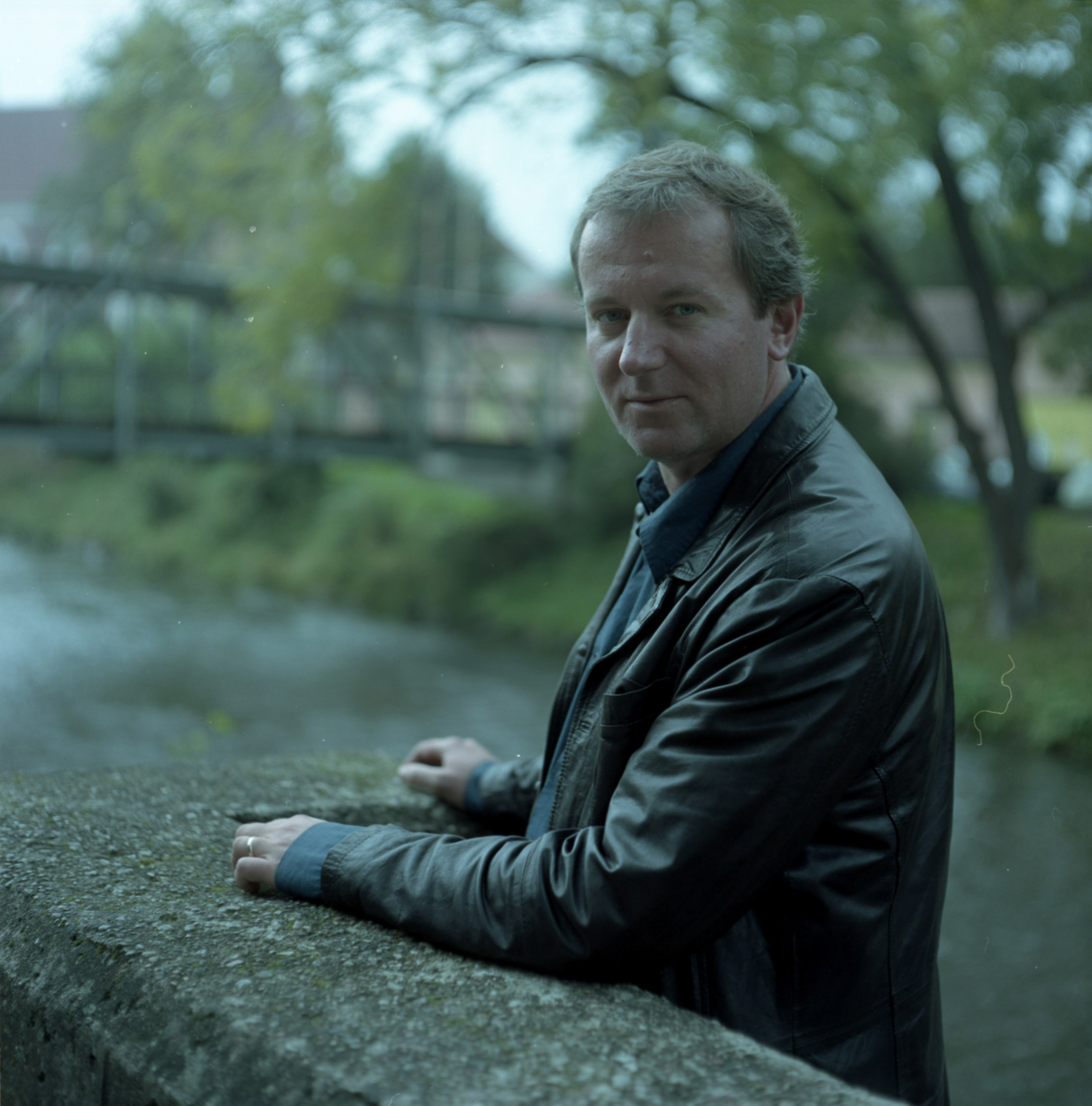
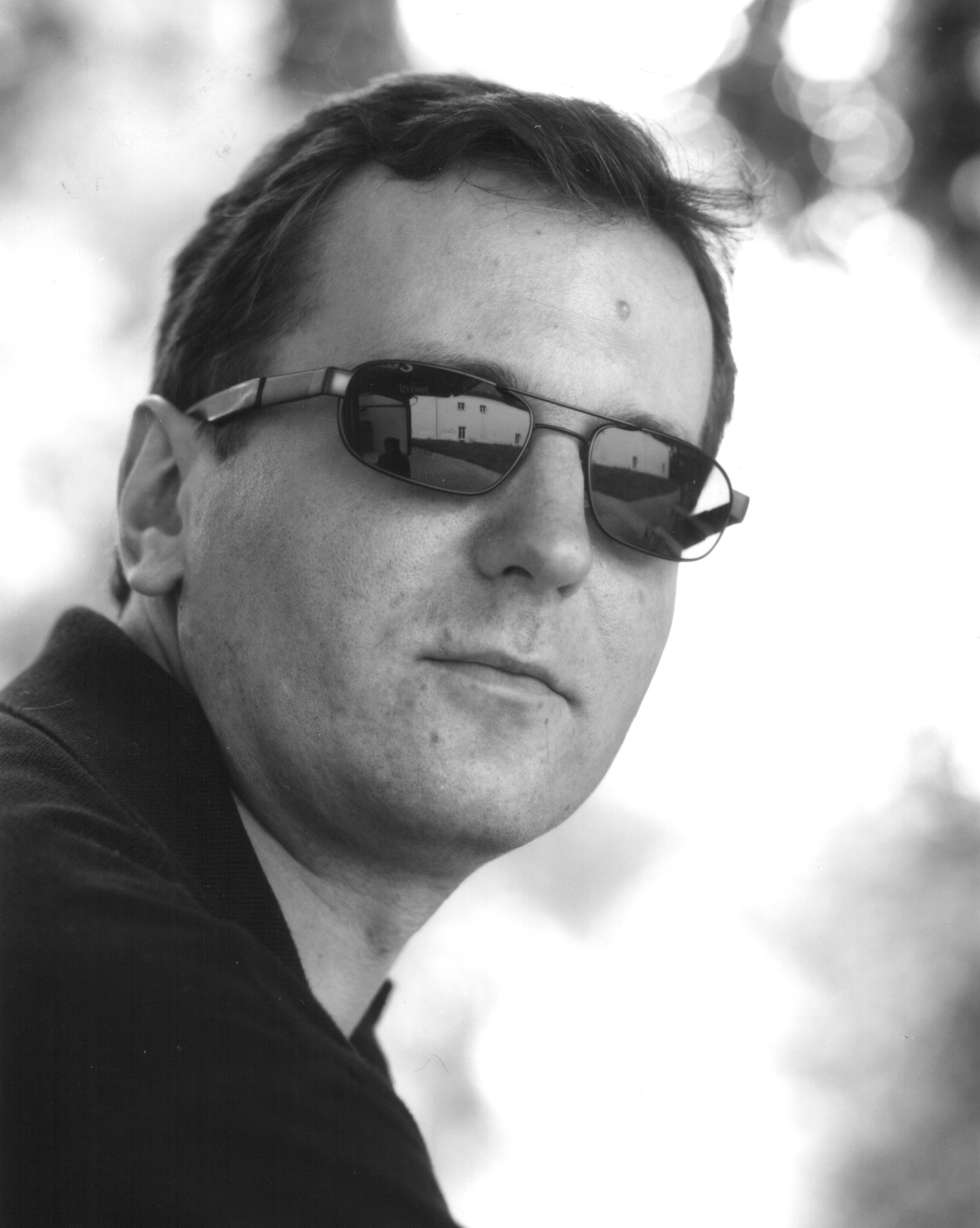
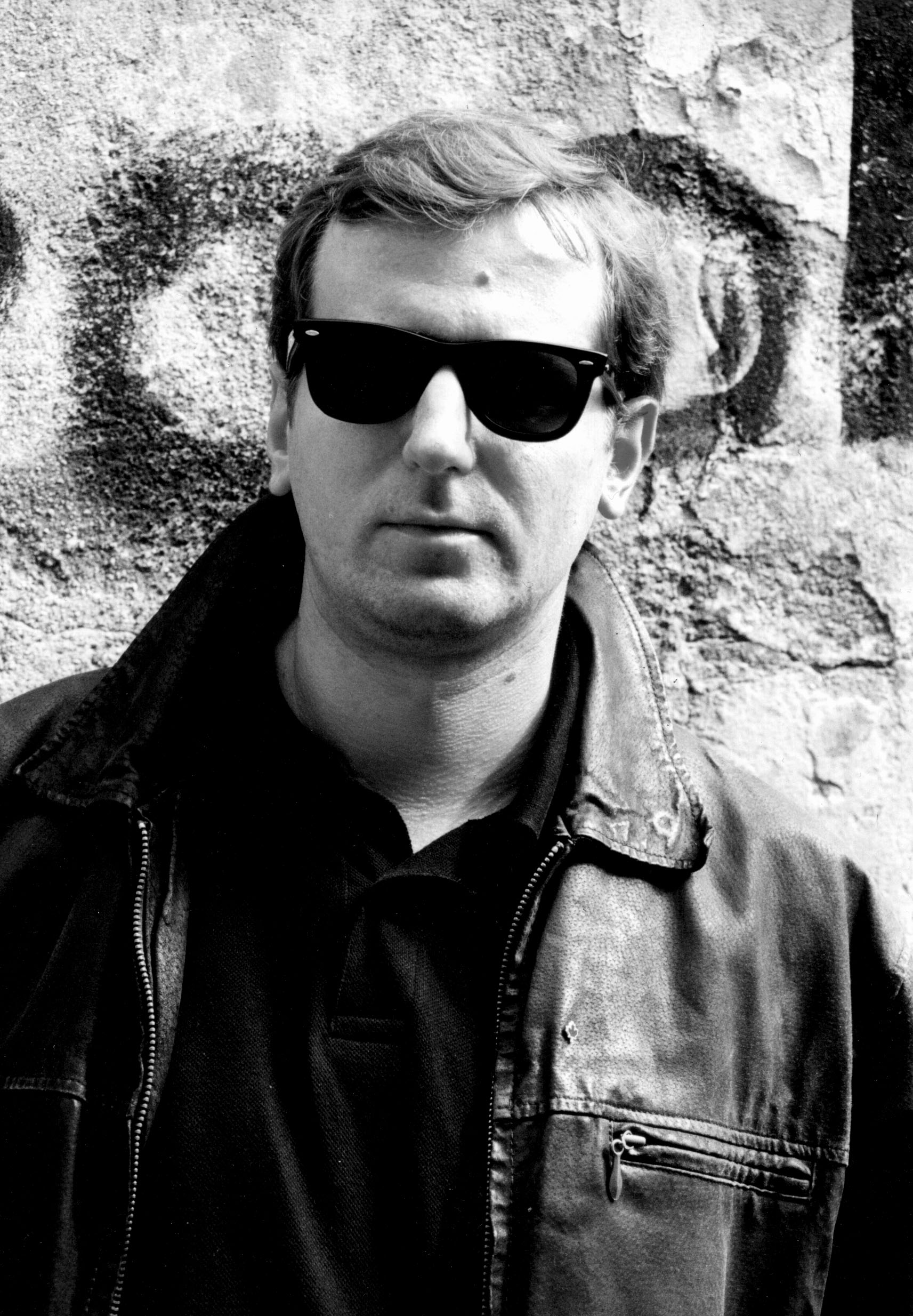
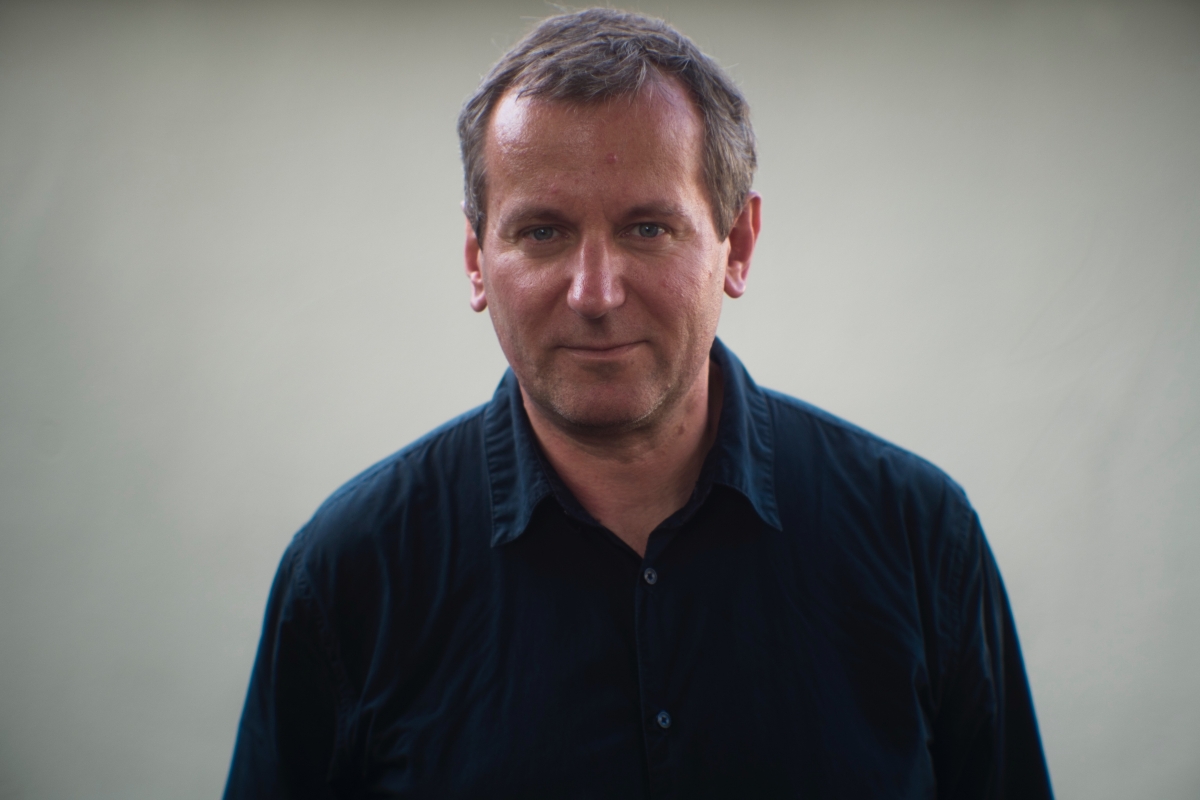
Vytautas Germanavičius (born June 8, 1969, Vilnius) is a Lithuanian composer and researcher. He has held a Doctor of Arts degree in Music (Composition) since 2022.
In 1996, he graduated from the Lithuanian Academy of Music and Theatre, (J. Juzeliūnas’ composition class). From 2003 to 2005, he pursued studies in electronic music and recording media at Mills College (USA). He has completed internships at the Dartington International Summer School (UK, 1996); the University of Helsinki, Sibelius Academy of Music (2019); IRCAM – Institute for Research and Coordination in Acoustics/Music (2019, 2024, 2026).
In 2001, he participated in artistic residencies at the Banff Centre for the Arts (Canada) and the Visby International Composers Centre (Sweden). He was a resident at Nida Art Colony in 2016 and at the Cité Internationale des Arts in Paris in 2019.
From 1998 to 2003 and from 2009 to 2020, he served as Chairman of the Board of the ISCM Lithuanian Section (International Society for Contemporary Music). From 2001 to 2008, he was the Artistic Director of the contemporary music festival Iš Arti. In 2011, he was a member of the Council of the Lithuanian Academy of Music and Theatre. From 2018 to 2023, he served as an Auditor of the ISCM. Since 2024, he has been a Research Fellow at Faculty of Social Sciences, Arts, and Humanities and DI Excellence Centre of Kaunas University of Technology.
Vytautas Germanavičius’s work reflects influences from various styles – Neo-Romanticism, Minimalism, and microtonality. The composer employs a variety of musical forms of expression, paying particular attention to the timbral spectrum of sound. Since 2021, he has been incorporating the results of his research the traditional Lithuanian vocal and instrumental music – microinterval structures and natural tunings – into his compositional system. “It is no longer rhythm but timbre, no longer structure but texture that is being explored. Architectural rigidity or programmatic visualization have become, as it were, unnecessary for the composer. One senses a mastery not only of musical language but also of musical thought, for which the abstraction of sound itself is now entirely sufficient,” states musicologist Vita Gruodytė.
His music has been performed by renowned orchestras, performers, and ensembles, including the Lithuanian National Symphony Orchestra, Lithuanian State Symphony Orchestra, Lithuanian Chamber Orchestra, and the St. Christopher Chamber Orchestra. His works have been presented at numerous international contemporary music festivals across Europe, the Americas, and Asia, including ISCM World Music Days (Hong Kong, Yokohama, Stuttgart, Vilnius, Zagreb, Vancouver); Gaudeamus Music Week (Amsterdam); Other Minds BRINK Music Series (San Francisco); Niagara International Chamber Music Festival; Seattle International Dance Festival; Foro Internacional de Música Nueva Manuel Enríquez (Mexico City); Est-Ouest (France); Italian Composers Forum; L’art pour L’Aar (Switzerland), Berlin Philharmonie; Muza Kawasaki Hall (Tokyo); and others.
His compositions have been performed by prominent soloists, including cellist David Geringas (Germany); clarinetist Stephan Vermeersch (Belgium); violinists Ingrida Armonaitė, Rusnė Mataitytė, and Rūta Lipinaitytė; singers Joana Gedmintaitė and Nora Petročenko; saxophonists Petras Vyšniauskas and Liudas Mockūnas; the Armonas Trio, Trio Claviola, Duo Andersson, Meta Piano Trio and the Vilnius State String Quartet.
His research fields include Lithuanian traditional vocal and instrumental music interval distances, microtonality, tuning systems, and their integration into composition. His research has been published in academic journals such as Lietuvos muzikologija (Lithuanian Academy of Music and Theatre, Nos. 22 and 26), Mikrotöne: Small is Beautiful (Mackingerverlag, Austria, 2023-2026), and on www.academia.edu. He has participated in international conferences across Europe, Asia, and the United States.
He is the author of the monograph From Natural Tunings Toward Ethnoscale Systems: Theory versus Creativity (Lithuanian Academy of Music and Theatre, 2024). His works have been released on several solo CDs, including Compositions for Traditional Lithuanian Instruments (2008), Unknown Spaces (2009), Melting Constellations (2012), Minimal Mobile (2020), among others. His scores are distributed by the Lithuanian Music Information Centre and the Lithuanian Academy of Music and Theatre.
Awards include the UNESCO-Aschberg Bursary (2000), Fulbright Scholarship (2003), Elizabeth Mills Crothers Award in Composition (2005, USA), Second Prize at the International Competition for Electroacoustic Music Short Cuts: Beauty (2006, ZKM, Germany), Winner of the Lithuanian Composers’ Union Competition in the symphonic music category (2016) for Underwater Geometry for bass and soprano saxophones and orchestra (recognized as the best orchestral work), and the Lithuanian Research Council Scholarship (2022).